The Rivalry That Wasn’t… Until It Was
How a Nickelback joke became one of the smartest attention plays in lower-division soccer
There are moments in sports—and in marketing—that don’t look like strategy at first glance.
They look like a joke. A stunt. Something someone “just thought would be funny.”
But if you understand attention, you realize those moments are often the most strategic decisions being made.
One of my favorite examples comes from the early days of the “rivalry” between Indy Eleven and Louisville City FC.
A rivalry that, technically, didn’t exist.
The Moment: A Banner, a Plane, and Nickelback
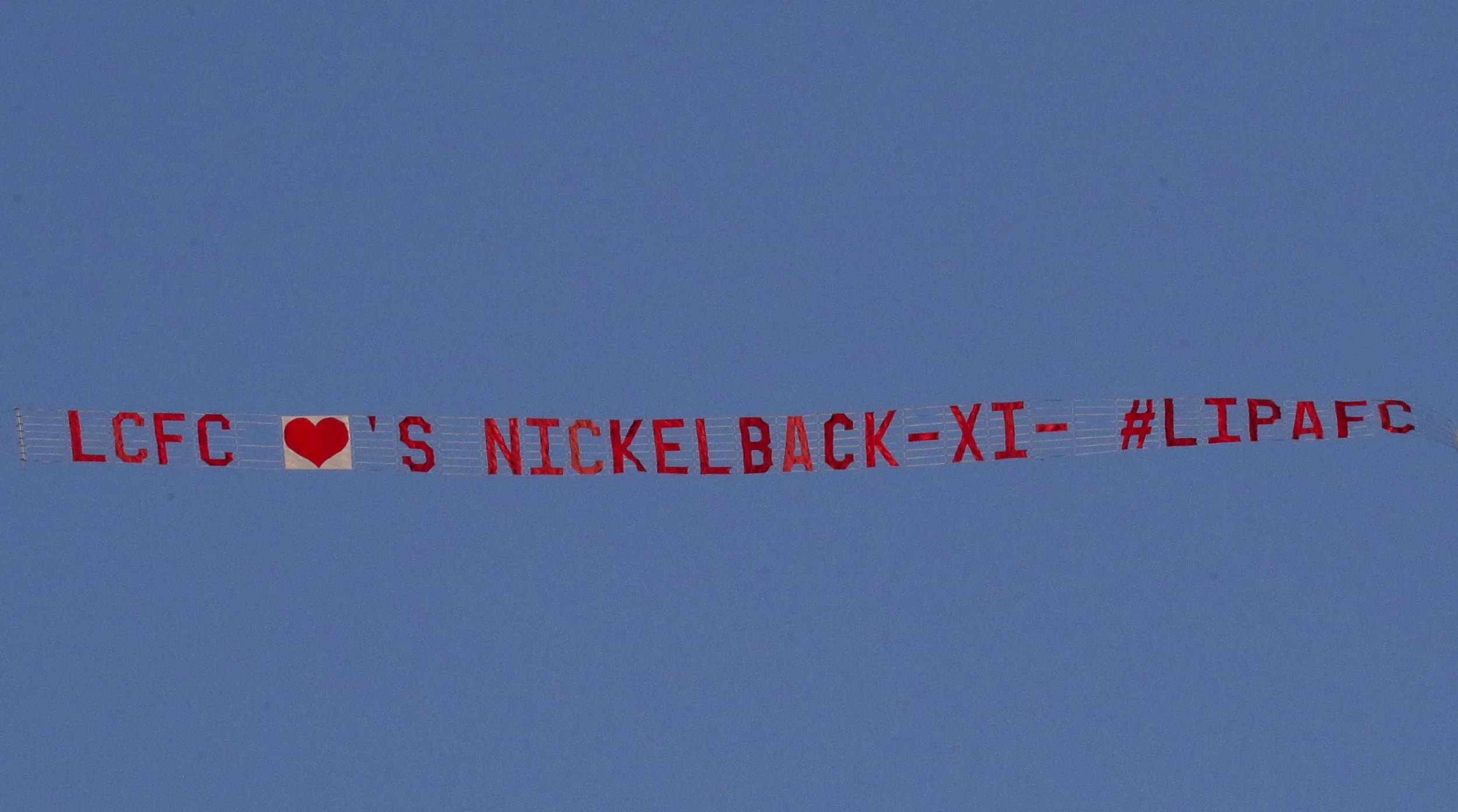
Ahead of a playoff match, a plane circled Louisville with a banner that read:
“LCFC ♥ Nickelback – XI – #LIPAFC”
Yes… that Nickelback.
It was juvenile.
It was unnecessary.
It was perfect.
And it worked.
Indy Eleven confirmed they were behind the banner, leaning fully into a tongue-in-cheek jab that immediately spread across social media, message boards, and local press. Fans laughed, high-fived and collectively thought it was funny (no word on Nickelback’s reaction).
What Actually Happened (That Most People Miss)
This wasn’t about Nickelback. This was about manufacturing attention where none naturally existed.
Let’s break that down clearly:
1. There was no historic rivalry
Unlike legacy soccer derbies, there was no decades-long hatred, no geographic war, no cultural divide. Just two clubs in proximity.
2. So they created a narrative
Fans had already jokingly labeled the matchup “#LIPAFC” (Louisville-Indianapolis Proximity Association Football Contest).
That’s not a real rivalry name.
It’s satire.
But satire creates identity faster than tradition.
3. Indy weaponized humor as attention
Instead of forcing seriousness, they leaned into absurdity.
And here’s the key:
Humor lowers resistance
Absurdity increases shareability
Specificity (Nickelback) makes it memorable
Now you’re not just playing a game—you’re participating in a joke.
And jokes travel.
Why This Was a High-Level Attention Strategy
Most organizations misunderstand attention.
They think:
“We need more impressions”
“We need better ads”
“We need to post more”
What they actually need is:
A reason for people to care, react, and talk
This moment specific moment checked every box:
✔ Interruptive - A plane with a banner is impossible to ignore. It breaks pattern.
✔ Conversational - People don’t just see it—they comment on it, debate it, share it.
✔ Tribal - It forces fans to pick sides, even if the rivalry is artificial.
✔ Media-Friendly - Local outlets have to cover it because it’s weird, visual, and tied to an event.
✔ Repeatable - Once the tone is set, future activations have a framework to build on.
The Real Outcome: Perception Shift
This is where it gets important for brands.
That one moment helped:
Elevate the perceived intensity of the matchup
Give media a storyline beyond “two teams playing soccer”
Create emotional entry points for casual fans
Build recall around both brands
The rivalry didn’t exist, but the perception of a rivalry did.
And perception is what drives:
Attendance
Engagement
Sponsorship value
Long-term brand equity
This Is the Gap Most Organizations Miss
You can have:
A strong Data Strategy
A clear Brand Strategy
A well-built Marketing Strategy
But without some sort of an Attention Strategy, none of it compounds.
Because: If no one is paying attention, nothing else matters.
Attention is the entry point.
It’s the difference between:
A campaign being seen vs. ignored
A brand being remembered vs. forgotten
An event being attended vs. skipped
What This Means for You
If you’re building anything—events, brands, campaigns—you should be asking:
1. What is our “Nickelback moment”?
Not literally—but what is:
Unexpected
Slightly controversial (in a safe way)
Highly shareable
Easy to understand instantly
2. Are we giving people something to talk about?
Not just information—but ammunition for conversation
3. Are we creating identity through experience?
People didn’t just watch that game. They became part of a narrative.
Final Thought
The best part about this example is how simple it was.
No massive budget ($1,500 for the airplane banner)
No overproduction.
No complicated media buy.
Just a sharp understanding of one thing: Attention is the most valuable currency in modern marketing.
And sometimes, all it takes to win it…is making your rival look like they love Nickelback. Maybe they do.
